Need Mechanical Seal Solutions? Chat with our experts instantly on WhatsApp!
How to Select a Pump Mechanical Seal (Complete Guide)
Struggling with seal failures? This guide explains how to choose the right pump mechanical seal and avoid costly breakdowns.
MECHANICAL SEAL
9/8/20253 min read
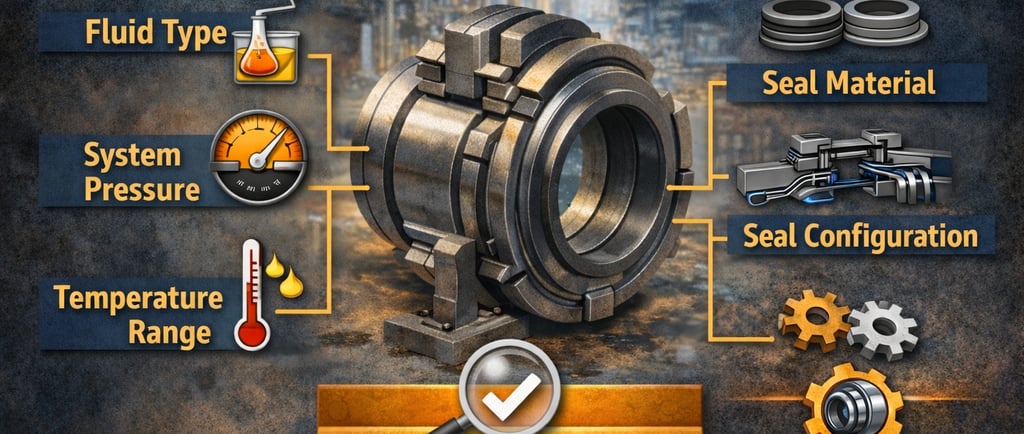
Choosing the right pump mechanical seal is one of the most important decisions you’ll make for pump reliability. A wrong seal selection doesn’t just cause leakage—it leads to frequent breakdowns, unplanned downtime, product loss, and higher maintenance costs.
Yet, many seal failures happen not because the seal is poor quality, but because it was never suited for the application.
In this guide, you’ll learn how to select a pump mechanical seal step by step, using a practical, real-world approach.
Why Mechanical Seal Selection Matters More Than Ever?
Modern pumps operate under:
Higher speeds
Higher pressures
Aggressive chemicals
Tighter environmental regulations
A seal that worked fine years ago may fail quickly today if conditions have changed. Correct selection helps you:
Extend seal life
Reduce leakage and downtime
Protect bearings and shafts
Lower total operating costs
(Think of the mechanical seal as a system component, not a consumable.)
Step 1: Understand Your Pump and Application
Before choosing a mechanical seal, you need to clearly understand how and where the pump operates.
Key questions to ask:
What fluid is being pumped?
Is it clean, abrasive, corrosive, or toxic?
What is the operating pressure?
What is the temperature range?
What is the shaft speed (RPM)?
Is the pump horizontal or vertical?
Without this information, seal selection becomes guesswork—and guesswork causes failure.
Identify the Pumped Fluid Characteristics
The fluid itself is one of the biggest factors in mechanical seal selection.
Consider the following:
Chemical compatibility
Abrasiveness (solids or slurry)
Viscosity
Lubricating properties
For example:
Clean water requires a very different seal than acids, solvents, or slurries.
Poorly lubricating fluids increase heat and wear at the seal faces.
Choose the Right Type of Mechanical Seal
There are several mechanical seal designs, and each suits a different application.
1. Single Mechanical Seals
Best for:
Clean and non-hazardous fluids
Low to moderate pressure
Water and light chemicals
Pros:
Simple design
Cost-effective
Limitations:
Not suitable for toxic or volatile fluids
2. Double Mechanical Seals
Used when:
Fluids are hazardous, toxic, or flammable
Leakage must be minimized
Higher pressure is involved
Pros:
Better containment
Longer seal life in harsh services
Cons:
Higher initial cost
Requires support systems
3. Cartridge Mechanical Seals
Cartridge seals come pre-assembled and pre-set from the factory.
Why they’re popular:
Reduced installation errors
Faster replacement
Consistent performance
Ideal for:
Plants aiming to reduce downtime
Facilities with limited skilled manpower
Select Proper Seal Face Materials
Seal face materials must handle heat, pressure, and chemical exposure.
Common face material combinations:
Carbon vs Ceramic – clean water, general service
Carbon vs Silicon Carbide – moderate abrasives
Silicon Carbide vs Silicon Carbide – slurry, abrasive fluids
Wrong face material selection often leads to:
Rapid wear
Face cracking
Thermal damage
Choose the Correct Elastomers (O-rings & Bellows)
Elastomers are often overlooked—but they fail just as often as seal faces.
Common elastomer options:
EPDM – water, steam, mild chemicals
NBR (Buna) – oils and hydrocarbons
FKM (Viton) – chemicals and higher temperatures
FFKM – highly aggressive chemicals
Signs of wrong elastomer selection:
Swelling
Hardening
Cracking
Consider Pressure and Temperature Limits
Every mechanical seal has design limits.
What happens if limits are exceeded?
Seal faces distort
Elastomers degrade
Leakage increases
Always check:
Maximum operating pressure
Maximum and minimum temperature
If your application operates near the limit, upgrade the seal design instead of risking failure.
Account for Shaft Speed and Runout
High shaft speed increases:
Friction
Heat generation
Face wear
Excessive shaft runout causes:
Uneven seal face contact
Vibration-induced failure
Solutions:
Use balanced seals for high pressure
Ensure proper shaft alignment
Check bearing condition regularly
Decide on Seal Support Systems (Flush Plans)
Seal support systems help control:
Temperature
Cleanliness
Pressure around the seal
Common API flush plans:
Plan 11 – clean internal recirculation
Plan 32 – external flush for dirty fluids
Plan 62 – quench for dry-running protection
Using the wrong flush plan can be just as damaging as using the wrong seal.
Match the Seal to Installation and Maintenance Capabilities
Even the best seal will fail if:
Installation is poor
Maintenance is inconsistent
If your team:
Lacks seal expertise
Faces frequent turnover
👉 Cartridge mechanical seals are usually the safest choice.
Common Mistakes to Avoid When Selecting Mechanical Seals
Selecting seals based only on price
Ignoring chemical compatibility
Using single seals for hazardous fluids
Reusing damaged sleeves or shafts
Skipping flush plans
These mistakes account for most premature seal failures.
How Proper Seal Selection Reduces Failure?
Correct mechanical seal selection:
Prevents dry-running damage
Handles real operating conditions
Reduces vibration-related wear
Extends maintenance intervals
Final Checklist for Mechanical Seal Selection
Before placing an order, confirm:
Fluid type and properties
Operating pressure and temperature
Shaft size and speed
Seal type (single, double, cartridge)
Face materials and elastomers
Flush plan requirements
This checklist alone can eliminate 80% of seal-related problems.
Choosing the right pump mechanical seal isn’t about picking the most expensive option or sticking with what you used last time. It’s about understanding how your pump actually operates and selecting a seal that can handle those real conditions.
When the seal matches the fluid, pressure, temperature, and installation environment, failures drop dramatically. Pumps run smoother, maintenance becomes predictable, and costly shutdowns become rare.
If your mechanical seals keep failing, the solution usually isn’t changing the brand—it’s changing the selection process. A few extra minutes spent choosing the right seal can save weeks of downtime later.