Need Mechanical Seal Solutions? Chat with our experts instantly on WhatsApp!
How Long Do Pump Mechanical Seals Last?
Discover how long pump mechanical seals last, what affects lifespan, failure signs, and tips to extend seal performance. Reduce downtime and save costs.
Sandy
9/8/20253 min read
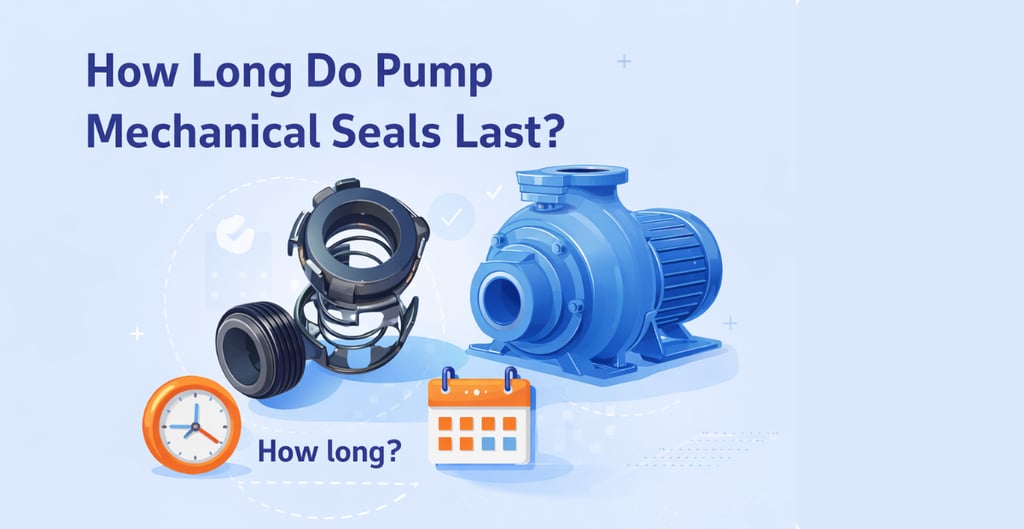
Pump mechanical seals play a critical role in keeping industrial and commercial pumps running smoothly. They prevent leakage, protect internal components, and help maintain pressure and efficiency. Yet one of the most common questions we hear from customers is simple:
How long do pump mechanical seals last?
The short answer is: it depends.
The long answer is worth understanding—because proper knowledge can save time, money, and unexpected downtime.
In this guide, we’ll explain the average lifespan of mechanical seals, the factors that affect their durability, warning signs of failure, and how to make them last longer.
What Is a Pump Mechanical Seal?
A pump mechanical seal is a device installed between the rotating shaft and the stationary pump housing. Its job is to stop fluid from leaking while the shaft rotates.
Unlike traditional packing seals, mechanical seals use two flat sealing faces: one rotating and one stationary. These faces stay in contact under spring pressure and fluid pressure, creating a tight seal.
Mechanical seals are widely used in:
Centrifugal pumps
Multistage pumps
Chemical and process pumps
Water, HVAC, and industrial systems
Average Lifespan of Pump Mechanical Seals
Typical Service Life
Under normal operating conditions, a mechanical seal usually lasts between 1 to 3 years.
However, with:
Correct installation
Proper operating conditions
Clean fluids
Regular maintenance
A high-quality seal can last 5 years or more.
On the other hand, poor conditions can cause failure in weeks or even days.
Key Factors That Affect Mechanical Seal Life
1. Operating Conditions
Operating conditions have the biggest impact on seal lifespan.
Mechanical seals wear faster when exposed to:
High pressure
Extreme temperatures
Dry running
Frequent start-stop cycles
If a pump runs outside its design limits, the seal will fail sooner.
2. Fluid Type and Cleanliness
The fluid being pumped matters more than many people realize.
Seals last longer when handling:
Clean water
Light oils
Non-abrasive liquids
Seal life shortens when pumping:
Slurries
Chemicals
Fluids with solids or abrasives
Abrasive particles damage seal faces and cause uneven wear, leading to leakage.
3. Seal Material Selection
Not all mechanical seals are made the same.
Common seal face materials include:
Carbon
Silicon carbide
Tungsten carbide
Ceramic
Choosing the wrong material for the application can significantly reduce seal life. For example, chemical pumps require corrosion-resistant materials, while abrasive applications need harder seal faces.
4. Installation Quality
Incorrect installation is one of the top causes of early seal failure.
Common installation mistakes include:
Improper alignment
Incorrect shaft size
Over-tightening
Contaminated seal faces
Even a high-quality mechanical seal will fail quickly if installed incorrectly.
5. Pump Alignment and Shaft Condition
Mechanical seals rely on smooth, stable rotation.
Seal life is reduced by:
Bent shafts
Excessive vibration
Misaligned pumps
Worn bearings
If the pump vibrates, the seal faces lose proper contact, causing heat buildup and premature wear.
6. Maintenance Practices
Routine inspection and maintenance extend seal life.
Seals last longer when:
Pumps are regularly inspected
Bearings and shafts are maintained
Flush systems are clean and functional
Leaks are addressed early
Ignoring small issues often leads to complete seal failure.
Signs Your Mechanical Seal Is Near Failure
Knowing the warning signs helps prevent unexpected downtime.
Common Symptoms Include:
Visible leakage around the shaft
Dripping or spraying fluid
Unusual noise from the pump
Increased vibration
Rising pump temperature
Reduced efficiency or pressure
Once leakage becomes noticeable, the seal usually needs replacement soon.
How to Extend the Life of Pump Mechanical Seals
1. Choose the Right Seal for the Application?
Always match the seal type to:
Pump model
Shaft size
Operating pressure
Fluid type
Using the correct seal is the foundation of long service life.
2. Avoid Dry Running
Mechanical seals rely on the pumped fluid for lubrication and cooling.
Running a pump dry—even for a short time—can destroy the seal faces instantly. Always ensure proper priming before starting the pump.
3. Maintain Proper Alignment
Regularly check:
Pump alignment
Shaft straightness
Bearing condition
Reducing vibration significantly improves seal lifespan.
4. Keep Fluids Clean
Install strainers or filters when pumping fluids with solids. Clean fluids reduce abrasive wear and heat generation at the seal faces.
5. Follow Correct Installation Procedures
Always:
Clean seal faces before installation
Follow manufacturer's torque settings
Avoid touching sealing faces with bare hands
Verify correct spring compression
Proper installation can double the life of a mechanical seal.
Cartridge Seals vs. Component Seals: Which Last Longer?
Cartridge Mechanical Seals
Cartridge seals are pre-assembled units that simplify installation. They:
Reduce installation errors
Maintain correct alignment
Offer more consistent performance
Because of this, cartridge seals often last longer than component seals, especially in industrial environments.
Component Seals
Component seals require manual assembly during installation. While cost-effective, they rely heavily on installer skill.
Incorrect assembly can shorten their lifespan significantly.
When Should You Replace a Mechanical Seal?
You should replace a mechanical seal when:
Leakage becomes consistent
Seal faces are worn or damaged
Pump efficiency drops
Maintenance intervals recommend replacement
Waiting too long can damage shafts, sleeves, and bearings—leading to higher repair costs.
Why Seal Quality Matters?
As a retailer, we often see seal failures caused by low-quality or mismatched seals.
High-quality mechanical seals:
Use precision-machined components
Have consistent spring pressure
Use durable face materials
Provide longer, more reliable service
Choosing a reliable supplier ensures compatibility, performance, and long-term value.
Final Thoughts: How Long Do Pump Mechanical Seals Really Last?
There is no single answer—but with proper selection, installation, and maintenance, mechanical seals can last several years.
To summarize:
Average lifespan: 1–3 years
Well-maintained systems: 5+ years
Poor conditions: weeks or months
Understanding the factors that affect seal life helps you make better decisions, reduce downtime, and protect your pump investment.
If you’re unsure which mechanical seal is right for your pump, working with a knowledgeable supplier can make all the difference.